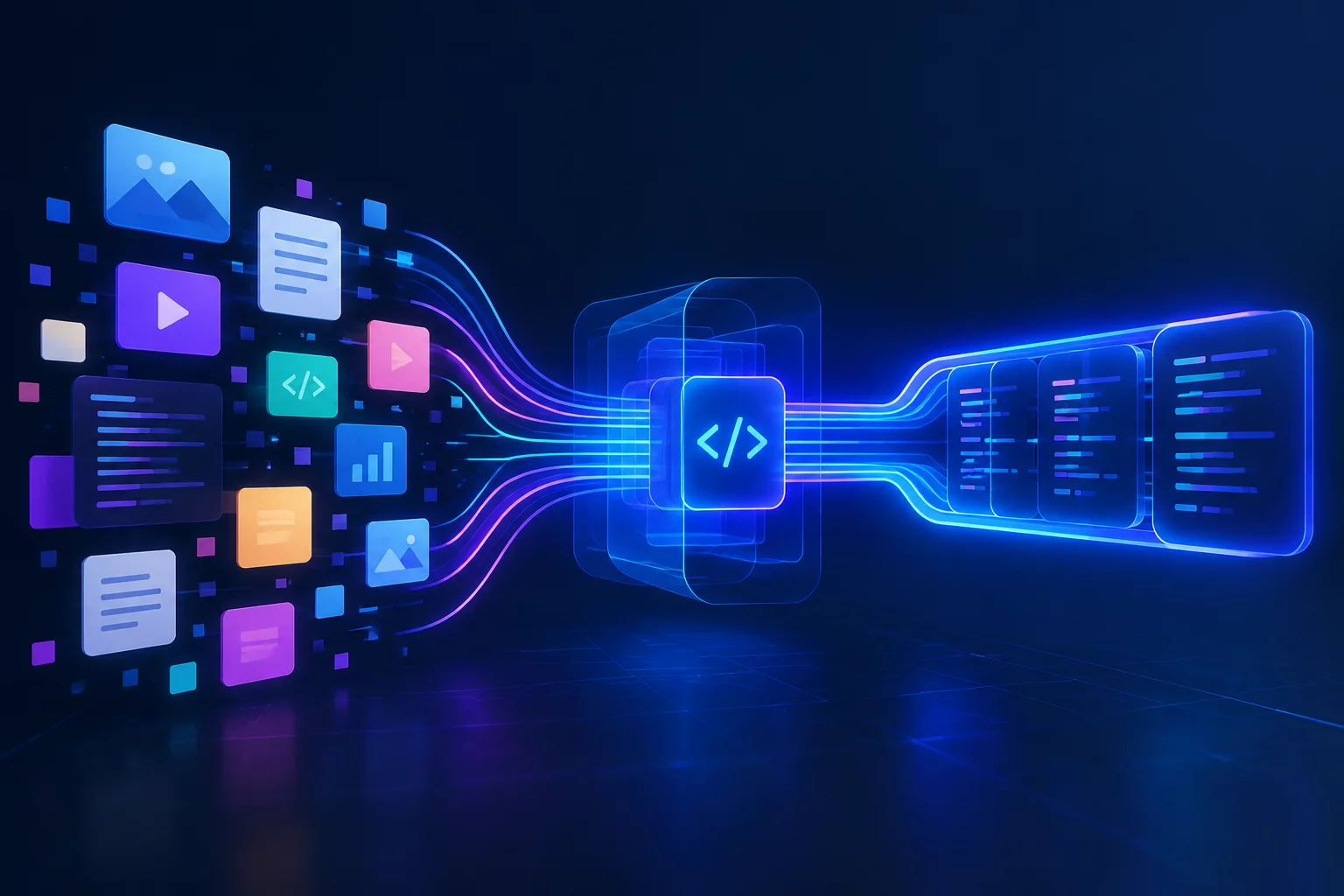
The Strategic Shift from Opaque Threads to Decoupled State Graphs
Legacy Assistants API frameworks bundled model selection, persistent thread storage, vector search, and tool orchestration inside a monolithic, black-box execution runtime. While convenient for rapid prototyping, enterprise scaling exposed severe architectural limitations: opaque thread states hindered deterministic testing, custom retrieval schemas remained impossible to tune, and vendor lock-in prevented dynamic routing across specialized foundation models.
Modern autonomous agent systems demand explicit telemetry, verifiable state machines, and fine-grained data governance. Transitioning workloads to the high-performance Responses API paired with the Model Context Protocol separates stateless inference from execution state. This decoupling empowers engineering teams to audit intermediate reasoning traces, integrate private vector stores, and enforce strict token allocation budgets across heterogeneous infrastructure clusters.
Engineering Migration Patterns for Production Workloads
Migrating away from proprietary Assistants runtimes requires replacing server-side thread management with open client state stores. In the new operational topology, your application controls the conversation graph directly, delegating prompt execution and structured tool calling to the gateway while saving intermediate states in Postgres, Redis, or dedicated checkpoint ledgers.
Core Architectural Modernization Checklist
Systematic migration across complex distributed software stacks proceeds through four verified implementation milestones:
- Convert server-side Assistants thread storage into external Postgres or Redis checkpoint state graphs via LangGraph or Mastra.
- Migrate hard-coded Assistants retrieval schemas into high-recall RAG pipelines utilizing external hybrid search indexes.
- Swap proprietary Code Interpreter dependencies with sandboxed shell environments running inside verified container clusters.
- Adopt Model Context Protocol servers to standardize external tool calling, database access, and secure service authentication.
Technical Comparison: Assistants API vs Modern Responses Standard
| Attribute | Value | Implementation Detail |
|---|---|---|
| Tool Invocation Protocol | Model Context Protocol (MCP) | Replaces proprietary assistant functions with standardized JSON-RPC endpoints callable across distributed agent networks. |
| Memory & State Persistence | External Graph State | Eliminates opaque remote threads by persisting state snapshots directly in client-managed relational tables or key-value caches. |
| Execution Isolation | Sandboxed Shell Containers | Executes untrusted agent-generated code inside disposable Linux containers with strict egress network constraints. |
| Multi-Provider Routing | Unified Gateway Aggregation | Enables dynamic fallback and model switches without rewriting core system prompts or client schema definitions. |
Frequently Asked Questions
Monolithic agent builders create significant observability blind spots and constrain enterprise architectures to single-vendor ecosystems. Industry migration toward explicit state graphs and decoupled tool servers delivers deterministic execution control, lower inference costs, and compliance with data residency regulations.
Use automated extraction scripts to traverse thread message lists prior to system shutdown, serializing conversation histories into structured JSON documents. These archives can then be seeded into your database to initialize stateful checkpoint graphs without interrupting user context.
Yes. The platform provides unified OpenAI-compatible chat and Responses interfaces with sub-20ms regional overhead, supporting tool schemas, streaming responses, and execution sandboxes across hundreds of frontier models via a single API token.
Upgrade Your AI Agent Infrastructure
Get notified when new orchestration standards, migration templates, and low-latency gateway features are published.